
Hospitality & leisure
Cruise Boats
On a cruise vessel the passage is the product. She is built so that people spend days aboard comfortably and spend them looking out.
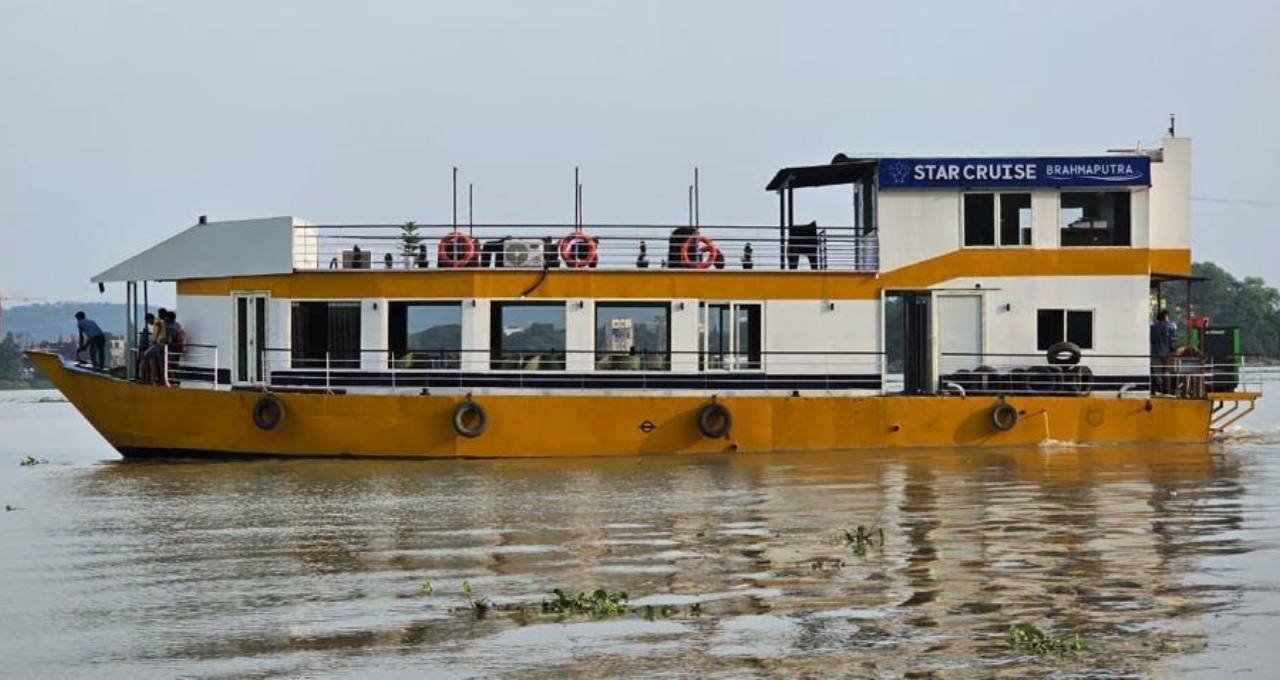
That begins with glazing and sightlines. A dining saloon with full-height windows down both sides is a different vessel from one with portholes, structurally and in how it feels to sit in for three hours. It is the decision that shapes most of the rest of the design.
Then come the systems that let a hull stay away from a jetty: water, power, waste, galley and cold store, all sized for a real passenger list and a real passage length. Star Cruise, built for M/s. B&R Riverbourne, is the vessel where we worked most of this out — a full galley with buffet service, a long glazed saloon, and deck laid out for the view.
What shapes the design
Glazing and sightlines
How much of the river a passenger can actually see, from a seat, without standing up.
Living aboard
Water, power, waste and cold store sized for the passage, not for a day trip.
Galley and service
A galley that can feed everyone aboard, with a service route that does not cross the passenger flow.
Motion and quiet
Machinery placed and mounted so the saloon stays a pleasant place to sit at cruising revs.
Indicative figures
The usual envelope.
Ranges, not a specification. A cruise boat is sized by the channel she runs in and what she has to carry — these are simply where vessels of this kind tend to fall on an inland route.
- Length overall
- 25 – 45 m
- Beam
- 7.5 – 10 m
- Loaded draught
- 1.2 – 1.8 m
- Passengers
- 40 – 120 day, fewer with berths
- Hull
- Welded mild steel
- Propulsion
- Twin marine diesel
Where she earns her keep.
- Multi-day Brahmaputra passages
- Day cruises out of Guwahati
- Chartered vessels for events and functions
- Wildlife and heritage itineraries along the river