
Hospitality & leisure
Floating Hotels
A floating hotel is a building that happens to float. Most of them never move again after they are placed, which changes almost every decision about how they are built.
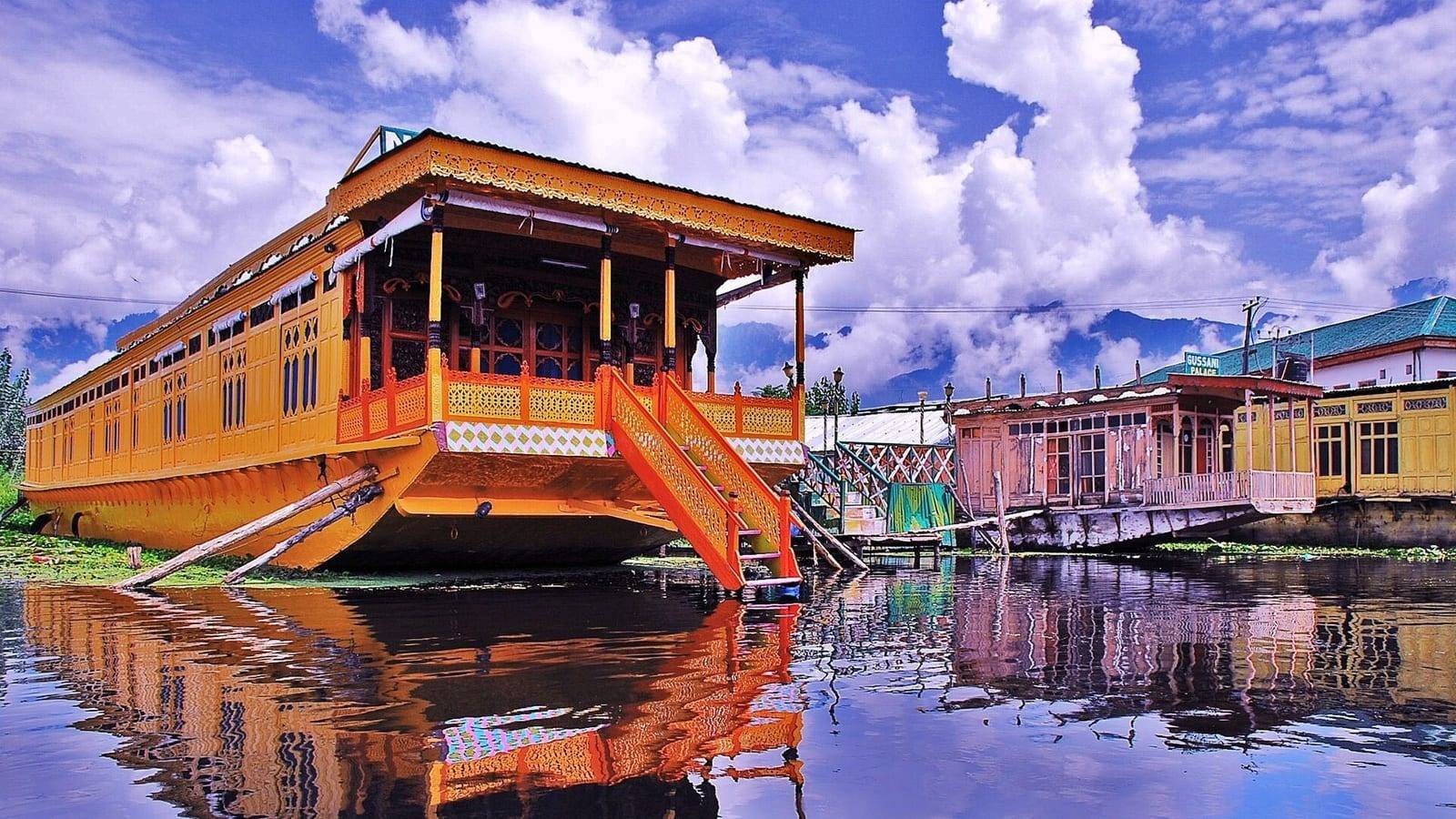
Without the need to make way, the hull becomes a stable platform rather than a shape for moving through water — usually broad and shallow, sized for the accommodation above it rather than for speed. That extra beam buys room width, corridor space and a deck worth sitting on.
The hard problems are the ones a hotel ashore does not have: fresh water and waste with no mains to connect to, power that has to be quiet at night, mooring that holds through a monsoon rise, and a way for guests to get aboard dry in any season.
What shapes the design
Mooring for the whole year
An arrangement that holds through the rise and fall, and a gangway that stays usable at both.
Water and waste
Storage, treatment and discharge worked out for full occupancy with no shore connection.
Quiet power
Generation and distribution arranged so guests are not listening to it at two in the morning.
Room layout
Cabin sizes, corridors and deck access planned as accommodation first, structure second.
Indicative figures
The usual envelope.
Ranges, not a specification. A floating hotel is sized by the channel she runs in and what she has to carry — these are simply where vessels of this kind tend to fall on an inland route.
- Length overall
- 30 – 55 m
- Beam
- 10 – 14 m
- Draught
- 1.2 – 1.8 m
- Rooms
- 12 – 40
- Hull
- Welded steel pontoon
- Propulsion
- Moored, or twin diesel if repositioning
Where she earns her keep.
- Resort accommodation where there is no land to build on
- Seasonal stays near a wildlife park or heritage site
- Accommodation barges for remote project sites
- Event and conference venues on the water