
Passenger & transport
Speed Boats
A fast boat on a river is a compromise between the speed you want and the water you actually have. Shallow patches, floating timber and silt all argue against deep running gear.
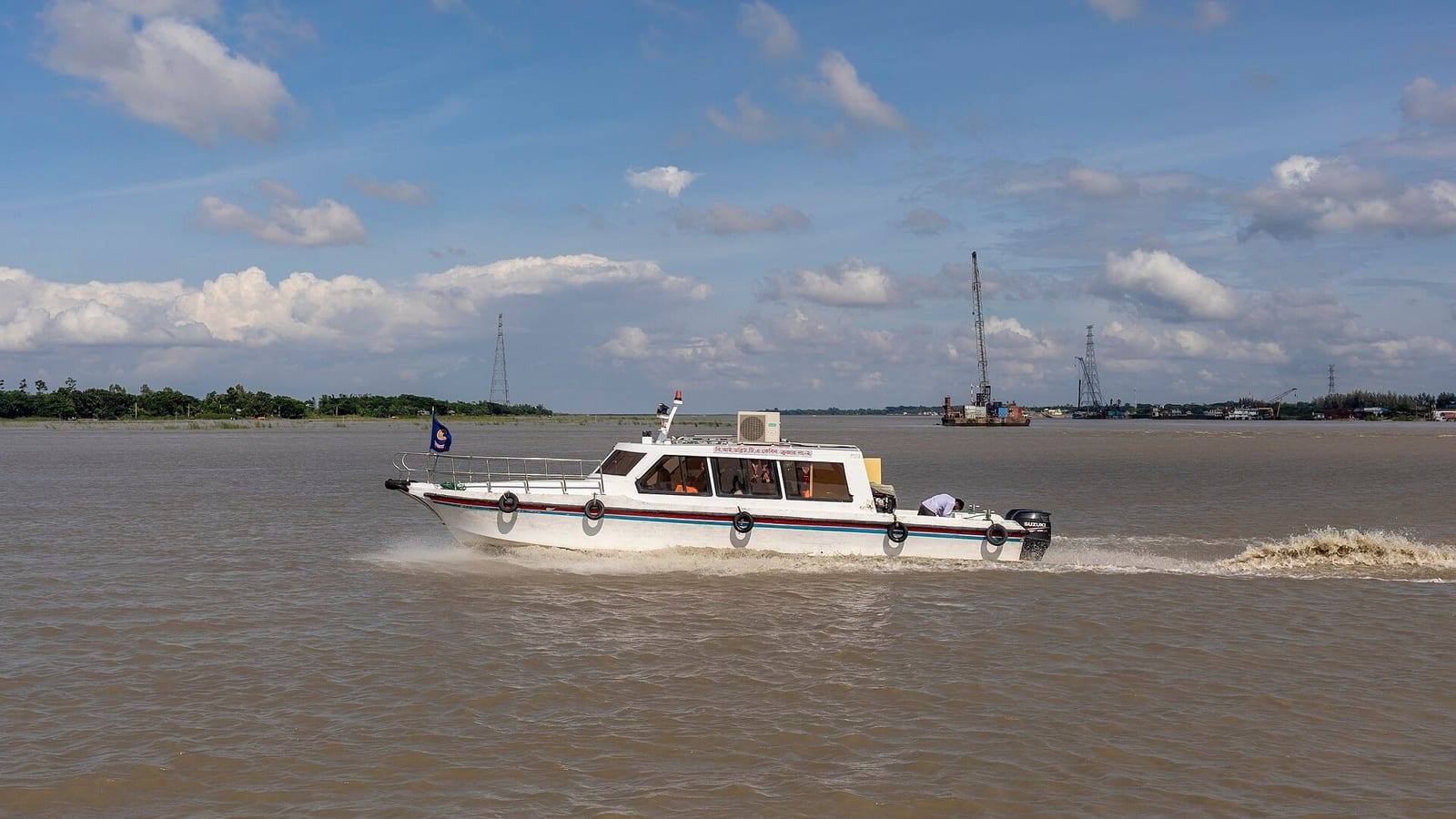
For most river work that points at outboards or protected drives, a planing hull that lifts clear at moderate power, and a bottom built stiff enough to take the pounding that comes with it. Light construction is only worth having if it survives the chop on a wide river in a headwind.
Speed boats also spend a lot of their life carrying people who are not sailors — inspection parties, tourists, officials. Seats that hold you, handholds where you reach for them, and a windscreen that works in rain are what those passengers remember, not the top speed.
What shapes the design
Protected running gear
Outboards or shallow drives, so debris and a dropping channel do not end the trip.
Ride at speed
Deadrise and bottom stiffening chosen for river chop, not for flat water.
Holding on
Seats, rails and a windscreen arranged for passengers who are not used to boats.
Fuel and range
Tankage sized to the real route, with reserve for the current running against you.
Indicative figures
The usual envelope.
Ranges, not a specification. A speed boat is sized by the channel she runs in and what she has to carry — these are simply where vessels of this kind tend to fall on an inland route.
- Length overall
- 6 – 13 m
- Beam
- 2 – 3.2 m
- Loaded draught
- 0.5 – 0.8 m
- Passengers
- 6 – 24
- Hull
- FRP or marine-grade aluminium
- Service speed
- 25 – 40 knots, by fit-out
Where she earns her keep.
- Crew and inspection transfers
- Tourism and sightseeing runs
- Patrol and enforcement work
- Fast connections to a jetty away from the main service