
Hospitality & leisure
House Boats
A house boat is domestic rather than commercial. Two to six cabins, a place to eat, a deck to sit on, and everything sized for a family or a small party rather than a passenger list.
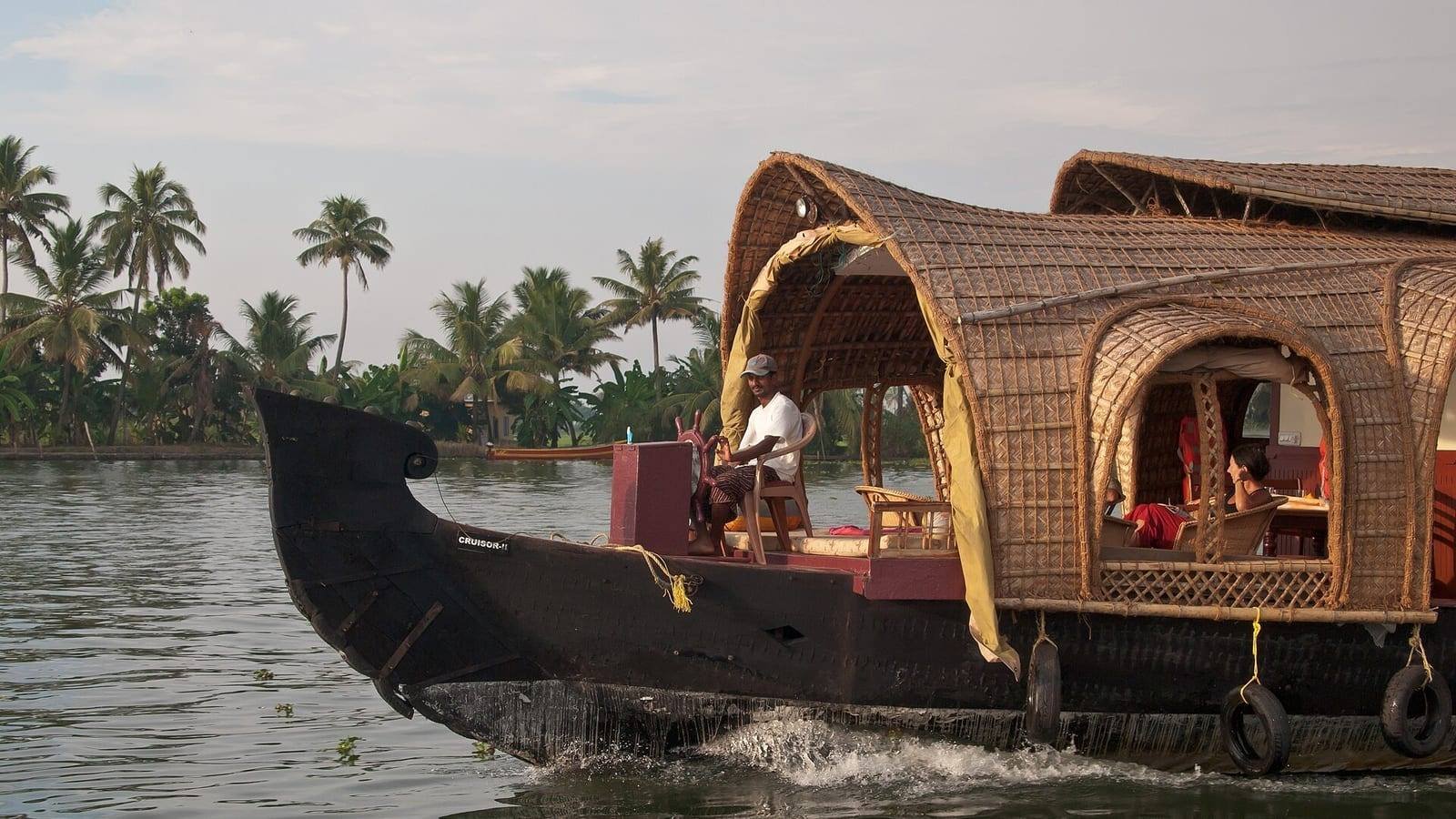
The scale changes what matters. Storage, headroom, ventilation and how the boat behaves at a quiet mooring count for more than capacity figures. So does where the sun falls in the afternoon, and whether the deck is usable in rain.
They are also built to be run by very few people, sometimes by the owner. That pushes towards simple, serviceable machinery, accessible tanks and fittings that can be repaired locally rather than replaced from a catalogue.
What shapes the design
Living space
Cabin volume, headroom and stowage judged as somewhere to live, not as a berth count.
Air and shade
Cross-ventilation and shaded deck worked out for the heat, before any thought of air conditioning.
Simple systems
Machinery and fittings a local yard can service, with real access to everything that needs it.
Handling shorthanded
Light enough on the controls, and fendered well enough, to berth with a very small crew.
Indicative figures
The usual envelope.
Ranges, not a specification. A house boat is sized by the channel she runs in and what she has to carry — these are simply where vessels of this kind tend to fall on an inland route.
- Length overall
- 12 – 24 m
- Beam
- 4 – 6.5 m
- Loaded draught
- 0.8 – 1.2 m
- Cabins
- 2 – 6
- Hull
- Welded steel or timber, by preference
- Propulsion
- Single marine diesel
Where she earns her keep.
- Private ownership for river holidays
- Small charter operations
- Backwater and quiet-water tourism
- Long-stay accommodation at a mooring