Passenger & transport
RO-Pax Vessels
A RO-Pax carries what a ferry carries, plus the lorry behind it. Everything is arranged around the ramp — how vehicles get on, how they get off, and how long the whole exchange takes.
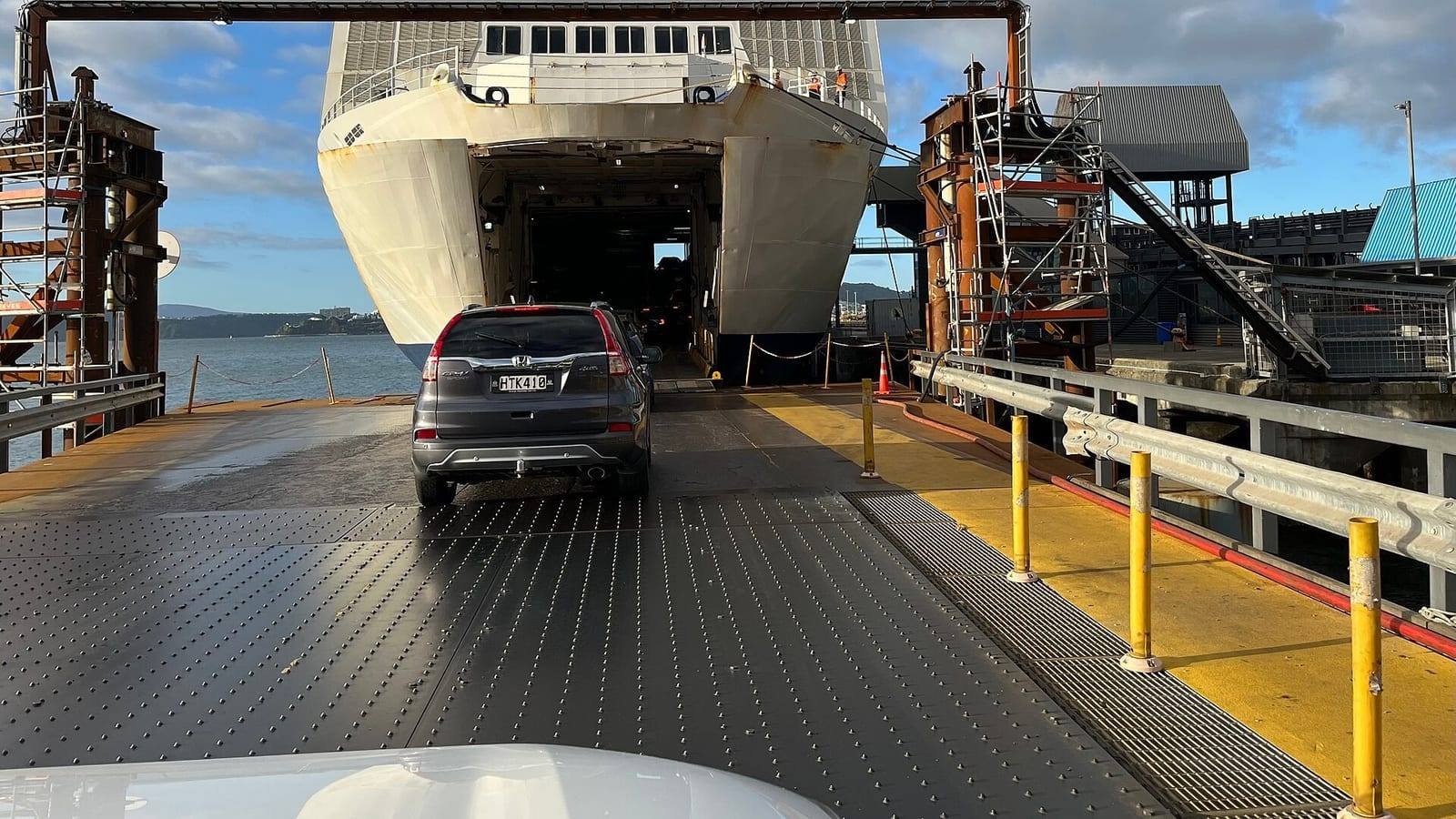
Roll-on, roll-off means vehicles drive aboard and drive off again without being lifted. On a river that usually means a bow or stern ramp long enough to bridge a soft bank at whatever height the water happens to be. The ramp is the hardest part of the design and it is where most of the engineering goes.
Passengers and vehicles have to be kept apart once the crossing starts, so there is a deck or a lane arrangement that separates the two without adding so much structure that the vessel grows too deep for the river. Getting both onto one hull, at a draught that works in the dry season, is the whole problem.
What shapes the design
Ramp geometry
Length, angle and hinge height worked out against the range of bank levels the vessel will actually meet.
Deck loading
Axle loads, lane widths and lashing points sized for the heaviest vehicle on the route, not the average one.
Separating people from traffic
A passenger area with its own access, so boarding does not wait on the last lorry.
Stability while loading
Trim and heel held within limits as weight moves up the ramp and along the deck.
Indicative figures
The usual envelope.
Ranges, not a specification. A ro-pax vessel is sized by the channel she runs in and what she has to carry — these are simply where vessels of this kind tend to fall on an inland route.
- Length overall
- 30 – 60 m
- Beam
- 10 – 15 m
- Loaded draught
- 1.2 – 2.0 m
- Passengers
- 150 – 400
- Vehicles
- 8 – 30, by mix
- Access
- Bow and / or stern ramp
Where she earns her keep.
- Crossings where goods vehicles have no bridge within reach
- Connecting a highway on one bank to a highway on the other
- Seasonal routes that carry construction plant as well as traffic
- Relief and supply movements when a road link is cut