Passenger & transport
Water Taxis
A water taxi is a bus that happens to float. It runs short legs on a timetable, takes a dozen or forty people, and has to come alongside and leave again in under a minute.
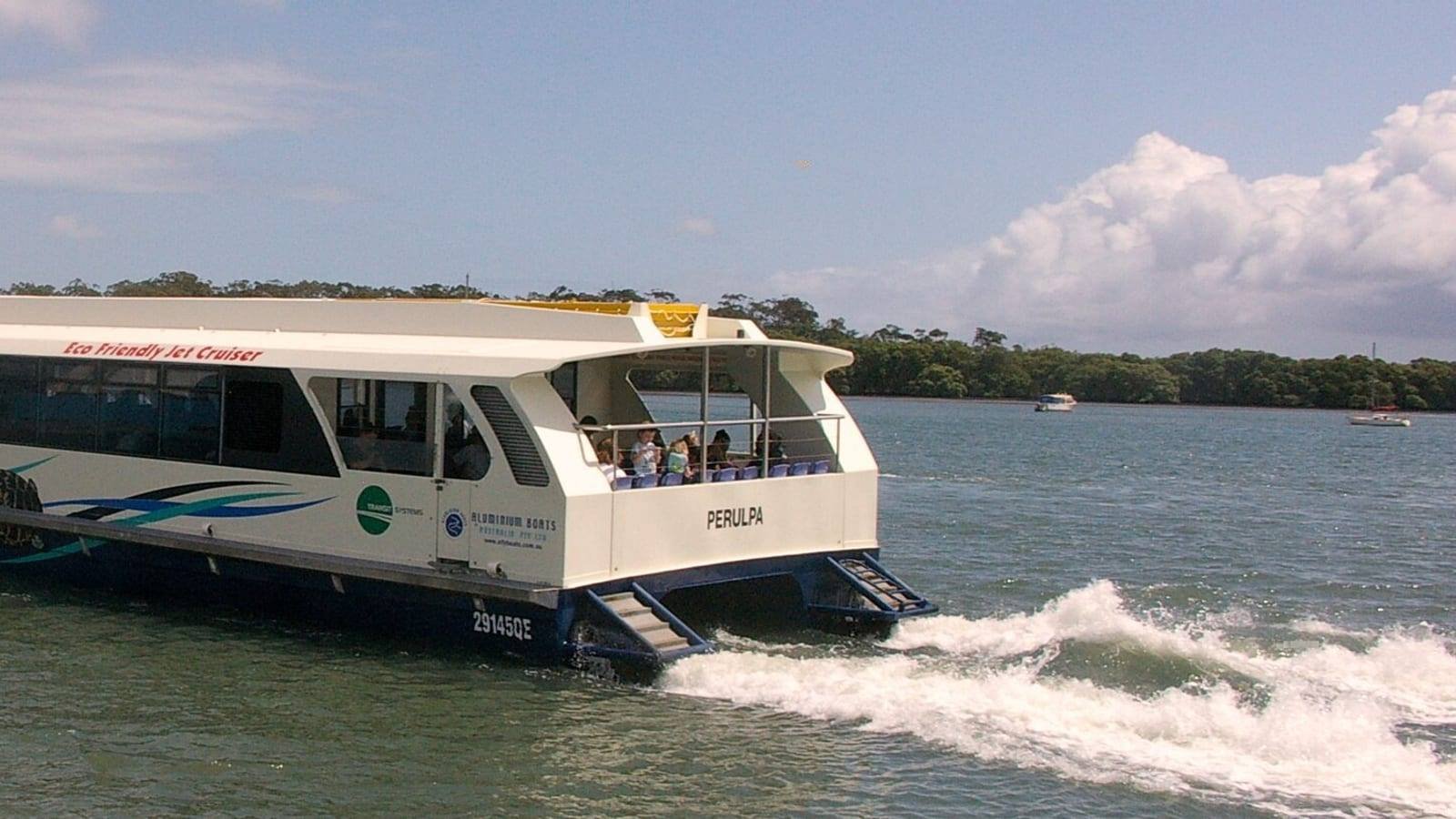
Everything is subordinate to the stop. The boarding gate, the fender line, the height of the gunwale against a jetty and the sightlines from the helm all matter more than they would on a longer vessel, because a water taxi does them hundreds of times a day. A design that boards awkwardly loses more time over a week than a slower hull ever would.
They also run in traffic. On a busy stretch of river the wash a boat throws is somebody else's problem, so hull form and speed get chosen with the other users of the water in mind — not just with a stopwatch.
What shapes the design
Boarding at any stop
Gate height, step and handhold arranged for a mixed crowd, including passengers with luggage.
Wash and wake
Hull form chosen so speed does not come at the cost of eroded banks and rocked moorings.
One or two crew
Helm position, controls and view arranged so a small crew can run the whole boat safely.
Daily hours
Machinery and fit-out specified for continuous service rather than weekend use.
Indicative figures
The usual envelope.
Ranges, not a specification. A water taxi is sized by the channel she runs in and what she has to carry — these are simply where vessels of this kind tend to fall on an inland route.
- Length overall
- 8 – 16 m
- Beam
- 2.8 – 4.5 m
- Loaded draught
- 0.6 – 1.0 m
- Passengers
- 12 – 40
- Hull
- FRP or marine-grade aluminium
- Propulsion
- Inboard diesel or outboard
Where she earns her keep.
- Scheduled river services within a city
- Hotel, resort and jetty transfers
- Feeder runs connecting to a larger ferry or cruise vessel
- Chartered point-to-point trips