Work & rescue
Survey Boats
A survey boat exists to hold equipment steady and keep a crew working. Nothing about her is arranged for comfort first, but a crew that cannot work is the same as a boat that cannot sail.
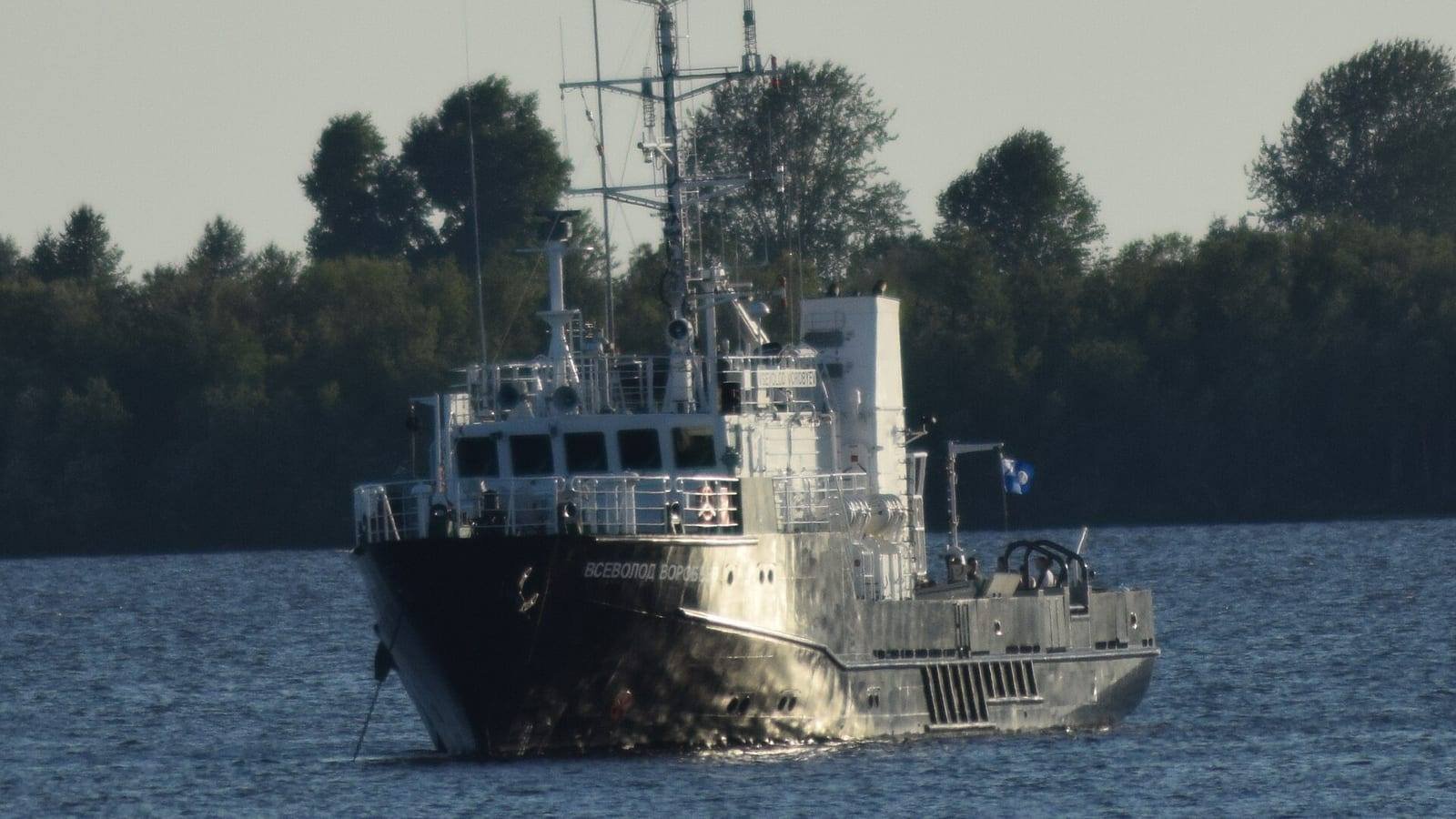
The equipment decides the layout. Transducer mounts, a moon pool or over-side pole, cable runs, clean power and somewhere dry to put a laptop are all structural decisions, not fit-out ones. They have to be settled before the deck is drawn.
The other half is endurance. Survey work means long, slow hours at low speed, often in an awkward part of the river, so shelter, a place to sit, and machinery that will run all day at quarter throttle matter more than any figure on a spec sheet.
What shapes the design
Mounting the instruments
Transducer, pole or moon-pool positions designed into the structure from the start.
Clean, steady power
Electrical supply arranged so the instruments see none of the engine.
Working the deck
Free deck area, handling gear and safe over-side access for the people doing the work.
Long, slow days
Machinery specified for hours at low load; shelter and seating for the crew reading the screens.
Indicative figures
The usual envelope.
Ranges, not a specification. A survey boat is sized by the channel she runs in and what she has to carry — these are simply where vessels of this kind tend to fall on an inland route.
- Length overall
- 10 – 18 m
- Beam
- 3.2 – 5 m
- Loaded draught
- 0.8 – 1.2 m
- Crew and party
- 6 – 14
- Hull
- Welded steel or aluminium
- Fit-out
- Instrument mounts, dry working space
Where she earns her keep.
- Hydrographic and channel survey
- Dredging support and monitoring
- Bridge, jetty and bank inspection
- Environmental and sediment sampling